
articleSkin & Hair
How midlife hormones change your skin
What shifting estrogen does to collagen, oil, and moisture, and why the changes can look different on richly pigmented skin.
- Written by:
- Navelle Editorial Team
- Reviewed by:
- Navelle Clinical Reviewer
- Published:
- August 21, 2026
- Reviewed on:
- August 29, 2026
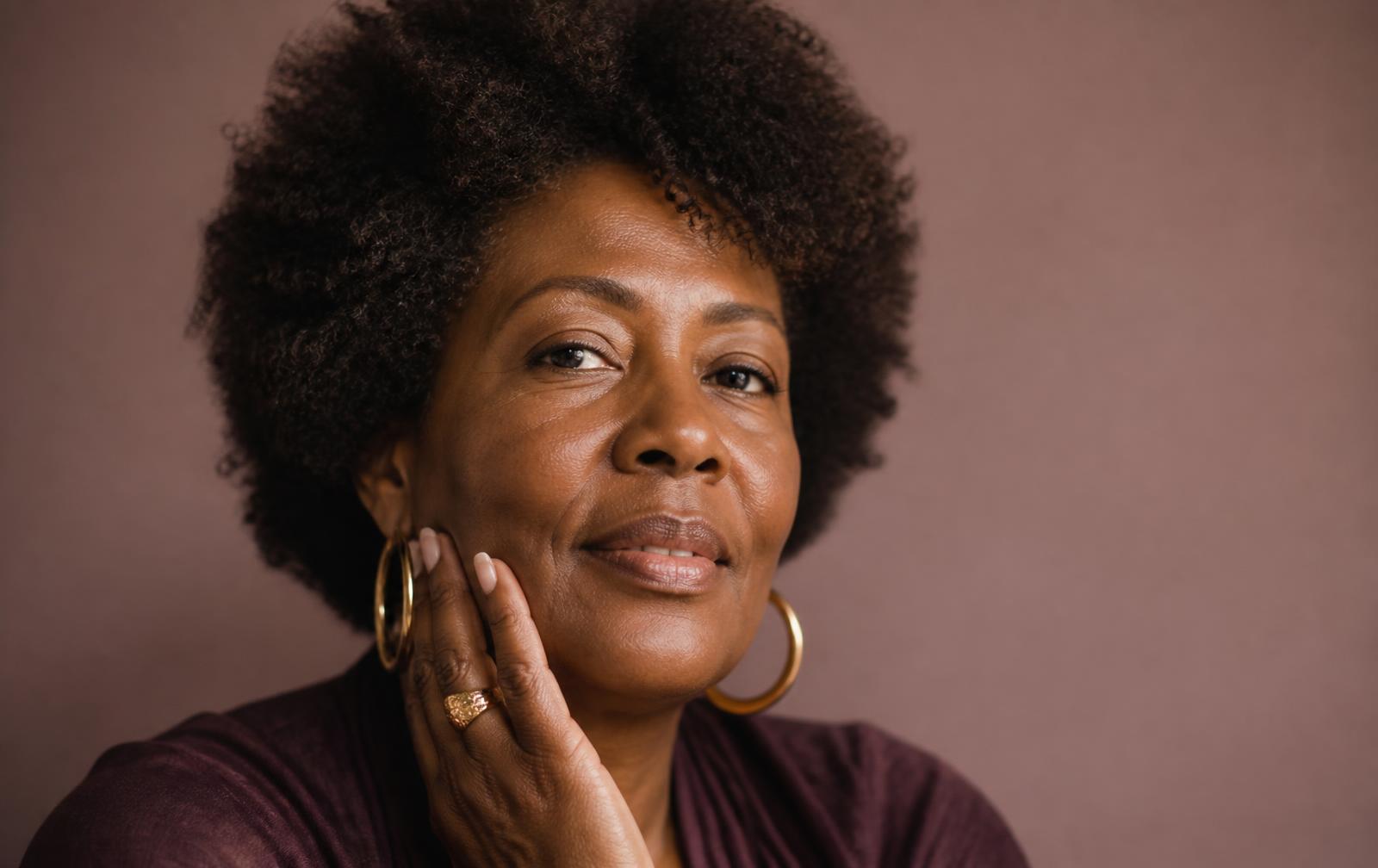
Estrogen influences how skin holds water, how much collagen it makes, and how quickly it repairs itself. As estrogen becomes uneven in perimenopause and lower after menopause, many women notice skin that feels drier, thinner, or more reactive than it used to be.
What is commonly reported
- Dryness or tightness, especially on the face, shins, and hands
- Slower healing after a scratch, spot, or shave
- More visible lines and looser texture along the jaw and neck
- New sensitivity to products that were fine for years
- Uneven tone or patches that look darker than the surrounding skin
One widely cited estimate is that skin collagen falls fastest in the first years after the final period, then slows. Averages are not predictions: your pace depends on genetics, sun exposure, medical history, and how your skin has been treated over time.
Why this can look different on deeper skin tones
Read the rest with a free account
You are seeing a preview. Creating an account is free, takes a minute, and needs no card or clinical intake.